
Is My Child Ready for Preschool?
Author: Kim Moreno, K-4 Teacher, Mauldin Christian Academy
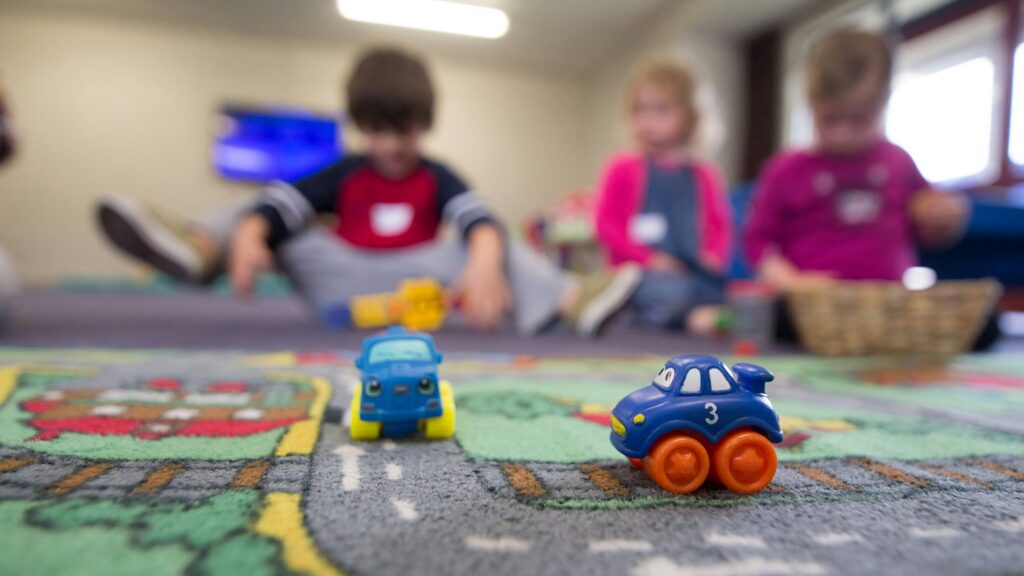
Children enter childcare as infants and toddlers, but true preschool typically begins around ages 3–5. Younger children in the toddler and two-year-old groups are still building early foundations — exploring their environment, forming attachments, and developing basic communication. At those ages, enrollment is usually based on family needs. By the time children reach the preschool years, however, they begin showing clearer signs that they’re ready for a more structured learning environment.
Preschool offers meaningful benefits during this stage. Children strengthen social skills like sharing and cooperating, develop emotional regulation as they navigate independence, and explore early learning concepts through hands-on play. They also grow comfortable with routines that help them feel secure and confident in group settings.
As children move through the 3–5 age range, certain developmental signs begin to emerge. Many preschool-aged children show growing independence — choosing activities, attempting simple self-care tasks, and expressing pride in doing things “by myself.” They handle short separations more smoothly, settling into play after drop-off. Their interest in peers expands into parallel or cooperative play, even if sharing and turn-taking are still developing. And they use basic communication to express needs, ideas, and feelings. Preschoolers should also be able to follow simple routines like cleanup, circle time, or transitions between activities.These emerging skills show that a child is ready to explore, connect, and learn in a preschool setting.
Every child develops at their own pace, and readiness grows through everyday experiences — both at home and in early-childhood programs. By noticing these emerging skills and offering gentle practice at home with independence, routines, and social interaction, families can help their child feel confident and prepared for preschool. When children show curiosity, comfort with short separations, and interest in peers, they’re well on their way to thriving in a structured learning environment.