Should My Child Start Preschool at Age Three or Four?
Author: G-na Simmons
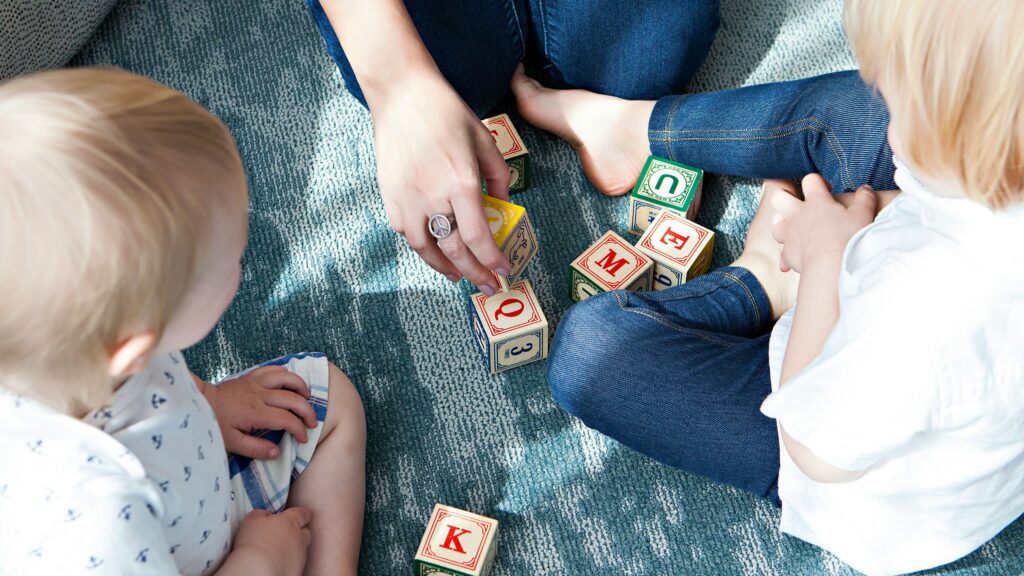
“Should I start my child in preschool at age three or four?” has become an age-old question, and deciding what age is best can feel overwhelming. The truth is, there is no single right or wrong answer because every child is different.
I have been a preschool educator for over 25 years, and in my experience, the earlier a child is ready to begin preschool, the more opportunities they will have to grow. Why not give your child a head start?
Preschool offers so much more than academics. It teaches children structure, routine, social skills, independence, and how to become comfortable in a classroom setting long before kindergarten begins.
Children thrive on structure. Research has shown that a consistent, structured routine can help children understand classroom expectations and make the transition into elementary school easier.
Routine also gives children a sense of safety and security. When children know what to expect each day, they often feel more grounded, safe, and confident in their environment. Knowing what comes next can lower stress and help prevent many everyday struggles.
Social skills are also an important part of building a strong foundation for future success. Preschool gives children opportunities to develop emotional regulation, cooperative play, communication skills, and friendships.
Guided by teachers, children build friendships by learning how to take turns, listen to others, share, solve disagreements, and express their feelings appropriately. These skills will help when children experience big emotions such as frustration, anger, or sadness. Over time, children begin learning how to use their words to communicate rather than using actions such as biting, hitting, or pushing.
Every child develops at a different pace. Some signs that your child may be ready to begin preschool at age three include:
- Being potty trained
- Being able to separate from parents for a few hours without becoming inconsolable
- Following simple directions
- Adjusting to basic rules and routines
- Communicating basic wants and needs
- Showing an interest in playing with other children
If you are questioning your child’s readiness in these areas, there is nothing wrong with giving them an additional year before beginning preschool. Readiness is much more important than simply reaching a certain age.
Ultimately, the question should not be “Should my child start preschool at age three or four?” Instead, ask “Is my child ready to start preschool?”
For many children, beginning preschool at age three gives them an additional year to become familiar with classroom routines, develop friendships, strengthen communication skills, build independence, and gain confidence before entering K4.
The best decision is the one that meets your child where they are developmentally and gives them the opportunity to thrive. Whether that journey begins at age three or four, readiness—not age—is what is most important.
G-na Simmons
Director of Early Learners
Mauldin Christian Academy